
General Cell Lines and Cell Cultures


ATCC Shigella flexneri 2a; Strain 2457T
Shigella flexneri strain 2457T is a whole-genome sequenced bacterium with applications in enteric disease research. The presence of the plasmid pINV-2457T has not been confirmed.


ATCC Mouse; hepatitis Virus
Murine hepatitis virus strain MHV 1 (Parkes) can be propagated in NCTC clone 1469 [derivative of NCTC 721] cells (ATCC CCL-9.1) or neonatal mice. This strain was isolated in 1950 from liver and kidney tissues from ill mice in London, England.

ATCC HCT116-SLC35F2-KO-c2; Colorectal carcinoma; Human (Homo sapiens)
The HCT116-SLC35F2-KO-c2 cell line contains a +1 bp insertion in SLC35F2 gene and combined with the parental cell line and other HCT116 derivatives can be used in cancer drug screening.
There is a Permit requirement: License form needed to be completed Material Transfer Agreement Addendum for Screening Application
The forms are available here: https://www.atcc.org/support/order-support/permits-and-restrictions

Amsbio LLC Lyophilized exosomes from Urine of Healthy donors

Lyophilized exosomes from Urine of Healthy donors


ATCC CHLA-06-ATRT; Brain Tumor; Human (Homo sapiens)
CHLA-06-ATRT is a cell line exhibiting rounded or attached morphology that was isolated from the cerebellum of a 4-month-old female with Atypical Teratoid Rhabdoid Tumor (ATRT). This cell line can be used for studying the metabolism of this tumor type and screening for therapeutic targets.

ATCC Streptococcus pneumoniae; genomic DNA
Genomic DNA isolated from Streptococcus pneumoniae. This bacterial strain is also available as ATCC Catalog No. X6314™.
ATCC PfizerPneumococcal polysaccharide powder Type 51 (d7F) 2mg
Purified pneumococcal polysaccharide type 7F is manufactured by Pfizer, Inc., for small-quantity distribution by ATCC. The pneumococcal powder type 7F is a component of the current 13-valent vaccine against Streptococcus pneumoniae. The pneumococcal polysaccharide type 7F can be used to assay for type-specific antibodies, research immune responses, and study immunodeficiencies.

ATCC Staphylococcus aureus; subsp. aureus; Strain 252
Staphylococcus aureus subsp. aureus strain MRSA252 is a hospital-acquired methicillin-resistant strain (MRSA) isolated in the United Kingdom. This whole-genome sequenced bacterial strain has applications in antimicrobial resistance research and drug development.

ATCC Fusarium keratoplasticum; genomic DNA
Genomic DNA isolated from Fusarium keratoplasticum FIV/74. This fungal strain is also available as ATCC Catalog No.: 36031™.

STEMCELL Technologies Human Whole Peripheral Blood Collected with ACDA, Fresh, Size: 150 mL
Normal whole peripheral blood (PB) is obtained from healthy donors using Institutional Review Board (IRB)-approved consent forms and protocols. Acid citrate dextrose, solution A (ACDA), Sodium Heparin (Na-Hep), Ethylenediaminetetraacetic acid (EDTA), or Citrate-phosphate-double-dextrose (CP2D) is the anticoagulant.Certain products are only available in select territories. Please contact your local Sales representative or Product & Scientific Support at techsupport@stemcell.com for further information and to inquire about donor selection or information including BMI category, smoking status, ethnicity, etc.Browse our Frequently Asked Questions (FAQs) (https://www.stemcell.com/primary-cells-faq) on Primary Cells.
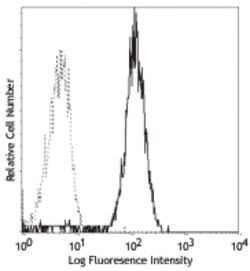
Biolegend Ultra-LEAFTM Purified anti-hum
Ultra-LEAF™ Purified anti-human CD282 (TLR2) [TL2.1]; Isotype: Mouse IgG2a, κ; Reactivity: Human; Apps: FC, Block, IHC-P, IHC-F, IP, WB; Size: 1 mg


ATCC Influenza A virus (H1N1); A/Mal/302/54
Influenza A virus (H1N1) strain A/Mal/302/54 is propagated in SPF chicken embryonated eggs with intra-allantoic inoculation. This strain was isolated in 1954 from a human patient in Malaya. This product has applications in emerging infectious disease, respiratory disease, and influenza research.

Eurofins Discoverx CYSLTR2 Gq Calcium Signaling Cell-Based Assay Kit (CHO-K1)
The CYSLTR2 Gq Stable Cell Line Calcium Signaling Assay (CHO-K1) contains a stable clonal cell line used to measure CYSLTR2 (GPCR) activation via an increase in intracellular calcium. This is a complete kit that includes the cell vials and all required reagents needed for cell culture and running the assay.
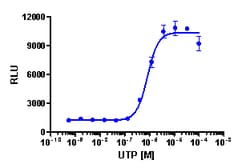
Eurofins Discoverx PathHunter P2RY2 Activated GPCR Internalization U2OS Cell Line, 2 vials. (93-0719C3)
The PathHunter P2RY2 Activated GPCR internalization cell line is a stable, engineered cell line for use in studying drug candidates (small molecules or biologics) affecting GPCR activation and internalization. This cell line uses EFC technology to measure ligand-induced internalization of P2RY2 via detection of localization to the early endosome. The included cell line overexpresses EA-tagged β-Arrestin-2 as well as a ProLink-tagged early endosome protein and untagged P2RY2. Upon ligand-induced receptor activation, β-Arrestin-2 is recruited to the activated GPCR and the resulting P2RY2-arrestin complex is internalized to the early endosome, leading to production of EFC signal. This stable modified cell line is provided as two vials of cryopreserved cells. For detailed product information, User Manual and datasheet, visit www.discoverx.com/gpcr.